
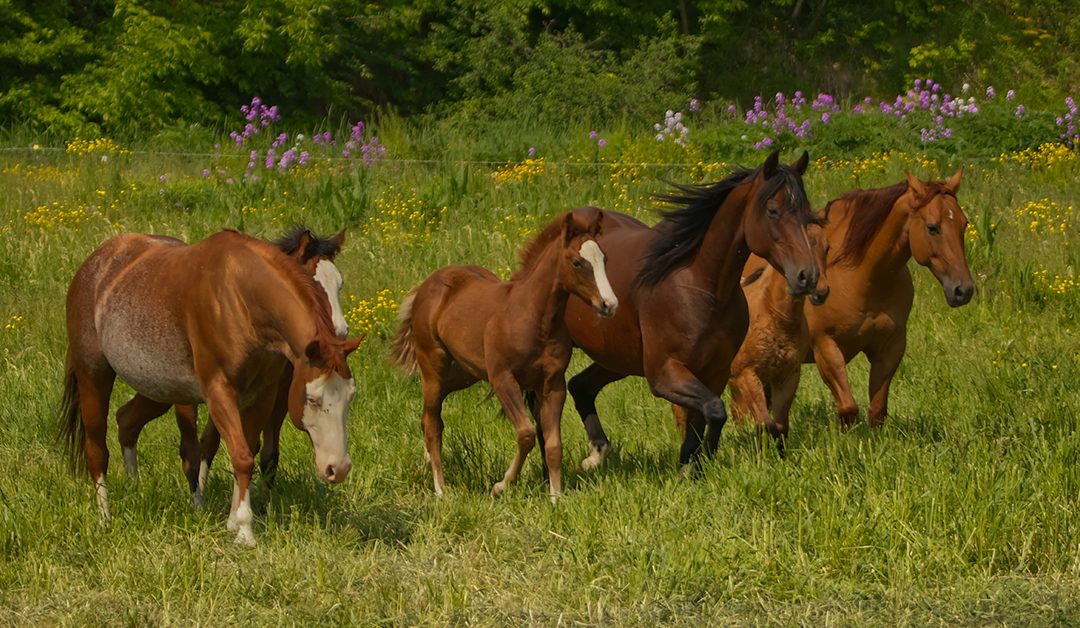
If you are dreaming of moving to Colorado and buying a horse property, the Black Forest area northeast of Colorado Springs probably caught your eye. With its towering ponderosa pines, rustic mountain feel, cute little horse barns, and sprawling acreage, it looks like an equestrian paradise.
But before you sign a contract, you need to know the reality of horse properties living in this area. As a land and equestrian property specialist who works with horse owners in El Paso County, I sometimes advise my clients to look outside of the Forest. The combination of trees, size of acreages, water laws, and wildfire risks might make Black Forest one of the toughest places in the region to own and manage horses.
In this guide, we will break down exactly why you should think twice before buying a horse property in Black Forest, CO, and where you should look instead.
1. Limited Grazing and Carrying Capacity
In the Colorado Springs area, the carrying capacity for dryland pastures is very low. According to CSU Extension data, it typically requires 10 to 20 acres of good pasture to support just one horse without supplemental feeding.
Black Forest is heavily subdivided, with the vast majority of properties sitting on 2.5 to 5-acre lots. Once you account for the footprint of the house, the driveway, the septic leach field, and the barn, you are left with maybe 1 to 3 acres of usable land. Because these small, heavily wooded lots cannot sustain grazing, you will be feeding your horses hay year-round. With Colorado hay prices frequently fluctuating and remaining high, feeding horses a 100% hay diet is a massive, ongoing financial burden.
Small acreage also complicates manure management. You cannot simply spread manure over a 2.5-acre wooded lot without creating runoff issues and violating local health regulations. You will likely have to pay for a dumpster service or haul it away yourself.
2. The Ponderosa Pine Problem: Toxicity and Pasture Loss
The beautiful trees that draw people to Black Forest are sometimes the reason horse pastures fail. Ponderosa pines have massive, shallow root systems that aggressively steal water and nutrients from the soil, making it incredibly difficult for pasture grass to grow. Furthermore, pine needles fall constantly, creating a thick, acidic mulch layer that smothers any grass trying to take root beneath it.
Beyond the lack of grazing, there can be concerns of toxicity if not properly managed. Ponderosa pine needles, especially when eaten in large quantities or by pregnant mares, can be toxic. The active compound, isocupressic acid, is known to cause abortions in cattle and horses, a condition referred to as Pine Needle Abortion. While horses do not usually prefer eating pine needles, a lack of other forage or boredom can lead them to nibble on fallen needles or branches.
Additionally, the area is currently battling a severe mountain pine beetle infestation. Dead and dying trees can cause damage to your barns or fences if they fall or get blown over. Tree removal in Colorado is expensive, often costing between $350 and $1,500 per tree, which adds massive unexpected maintenance costs to your property.
3. The Colorado Water Well Trap
This is arguably the most critical issue for horse property buyers in Colorado, and it is a trap that catches many out-of-state buyers off guard.
Many properties under 35 acres in Black Forest have either a “Household Use Only” well or “Domestic” well permits. Under Colorado water law, if you buy a property with a Household Use permit, it is legally prohibited to run a hose outside to fill a horse trough. Most of the time, you cannot water livestock, and you cannot irrigate a garden or pasture.
To legally water horses from a well, the property must have at least a “Domestic” well permit. There are properties in Black Forest with Domestic well permits. You just need to make sure you double check the permit and what it allows before signing the dotted line. If you purchase a 5-acre property with a Household Use permit, your only legal option to water your horses is to bring water onto your property. This can be an enormous, permanent expense.
Many real estate agents do not even know about the differences between well permits, so make sure you are working with one who is familiar with horse properties.
4. Wildfire Risk and the Insurance Crisis
Black Forest has a history of catastrophic wildfires. The 2013 Black Forest Fire burned over 14,000 acres, destroyed hundreds of homes, and forced massive emergency evacuations of livestock. Evacuating horses through narrow, heavily wooded, two-lane roads during a fast-moving wildfire is a terrifying and dangerous logistical nightmare.
Because of this extreme fire risk, homeowners insurance in Colorado wildfire zones is becoming extremely expensive. Finding coverage for a property with a barn nestled in the trees might be difficult or unaffordable. Furthermore, insurance companies might require you to perform extensive fire mitigation—meaning you might have to pay to cut down many of the beautiful trees you bought the property for in the first place.
5. Soil, Mud, and Trailer Access
While the sandy soil in Black Forest can drain well in some areas, the combination of dense shade from the pines and winter snowmelt often creates serious, lingering mud issues in the spring. This can make riding in your arena a pain if the shade from the trees isn’t allowing it to dry.
Navigating a horse trailer is another major challenge. Many roads in Black Forest are unpaved, narrow, or winding. Pulling a large horse trailer through tight, tree-lined, muddy, or snow-packed private roads in the winter can be stressful, especially in the winter. On private roads and long driveways, you are entirely responsible for snow removal. Plowing a long driveway enough to get a dually truck and a horse trailer out after a big Colorado snowstorm requires serious, expensive heavy equipment.
Better Alternatives for Colorado Springs Horse Properties
If you want a horse property in El Paso County, Black Forest is not your only option. In fact, looking just a bit further East might solve some if not all of these problems.
Areas like Elbert, Peyton, Falcon, and Calhan offer wide-open prairie land that is actually suited for livestock.
| Feature | Black Forest | Elbert / Peyton / Calhan / Falcon |
|---|---|---|
| Terrain | Heavily wooded, Ponderosa pines | Open prairie, treed in some areas, short grass |
| Grazing Capacity | Poor | Fair to Good (better grass growth) |
| Well Permits | Mostly Household or Domestic Wells | More likely to have Domestic or Livestock permits |
| Wildfire Risk | Extreme | Low to Moderate |
| Trailer Access | Difficult (narrow, winding roads) | Easy (flat, open, wider roads) |
| Maintenance Costs | High (tree removal, 100% hay diet, snow plowing) | Moderate (standard horse keeping costs) |
The Eastern plains communities listed above often offer better grazing land, better trailer access, lower fire risk and insurance, and properties that are properly zoned and permitted for livestock.
Frequently Asked Questions (FAQ)
Can I keep horses on a 5-acre lot in Black Forest, CO? While zoning may allow it, 5 acres in Black Forest is generally not enough to sustain grazing due to the dense tree cover and poor soil nutrients. You will need to feed your horses hay year-round. Additionally, you must verify that the property has a “Domestic” well permit, as a “Household Use Only” permit legally prohibits watering livestock.
Are ponderosa pine needles toxic to horses? Yes, ponderosa pine needles can be toxic to horses and cattle, particularly pregnant mares or cows. The needles can cause estrogen levels to increase, causing abortions. While horses usually avoid them, they may eat them if other forage is unavailable or if they get bored.
What is the difference between a Household Use and Domestic well permit in Colorado? A Household Use Only well permit usually restricts water usage strictly to the inside of a single-family home; no outside watering or livestock watering is allowed. A Domestic well permit allows for indoor use, and most of the time the watering of domestic animals and livestock, and irrigation of up to one acre. Make sure you still read what the specific well permit allows.
Where is the best place to buy a horse property near Colorado Springs? For horse owners, Colorado Springs offers grazing land in some areas and the Eastern plains communities of Elbert, Peyton, Calhan, and Falcon are highly recommended over Black Forest. These areas offer open prairie for better grazing, easier trailer access, lower wildfire risk, and a higher likelihood of securing Domestic well permits. Looking Northeast in Larkspur and Franktown can also be a good option.
If you are looking to buy or sell a horse property in the Colorado Springs area, working with a Realtor who understands water rights, zoning, and equestrian needs is crucial. Contact me today to start your search for the perfect Colorado horse property.
Aubrey Maldonado
Land & Equine Property Specialist
EXP Land + Ranch
719-252-1975
*This information is not legal advice; please consult an attorney if you have specific questions about what you can do with land and water rights in Colorado
Recent Comments